What does GEO-ready mean?
A GEO-ready website clearly explains the business and its services. The starting point is useful content, accessible pages and accurate information.
In this article
Short answer
GEO-ready is a working term for clear, accessible information that may be useful to AI search services. It is not an official certification or inclusion guarantee. SEO foundations and accurate business information come first.
Key points
- GEO builds on SEO rather than replacing it.
- Useful service pages, answers, context and links help explain the business.
- No website setup can guarantee an AI mention, citation or recommendation.
AI search tools may summarise information while answering a question. You cannot force a system to recommend your business. You can make your own information clearer, more accessible and easier to check.
GEO does not replace SEO
A website still needs accessible pages, useful content and sound technical foundations. GEO is not a shortcut around that work.
The additional focus is on the questions people ask, the answers and sources they see, and whether the business is represented accurately. See SEO services for the wider foundation.
Why clarity matters in AI search
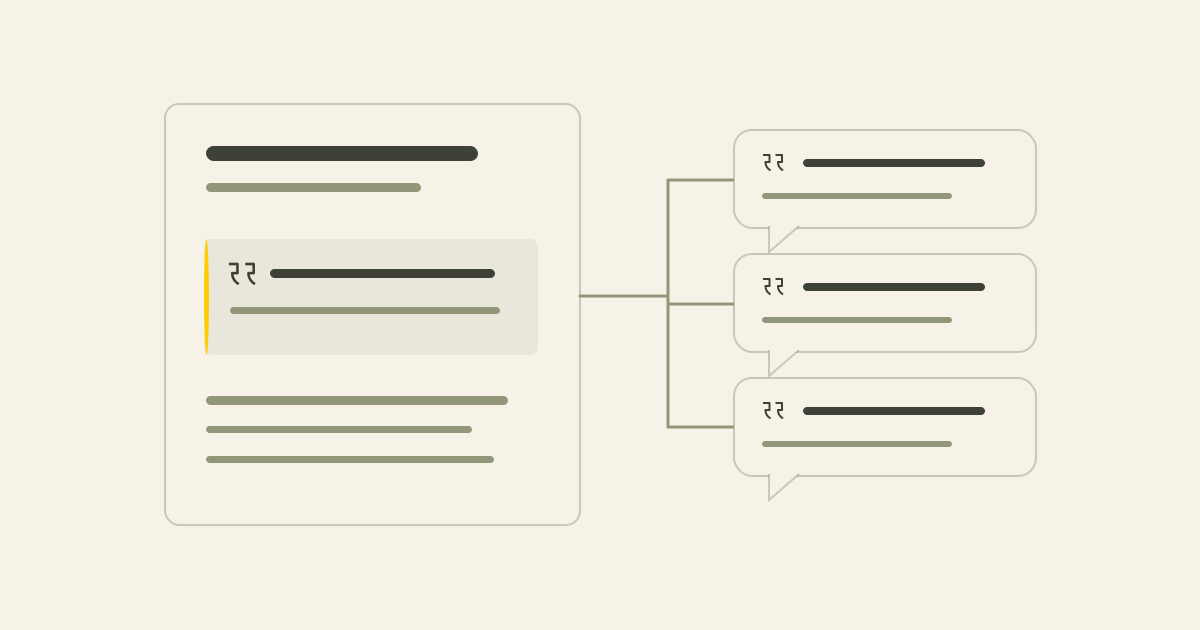
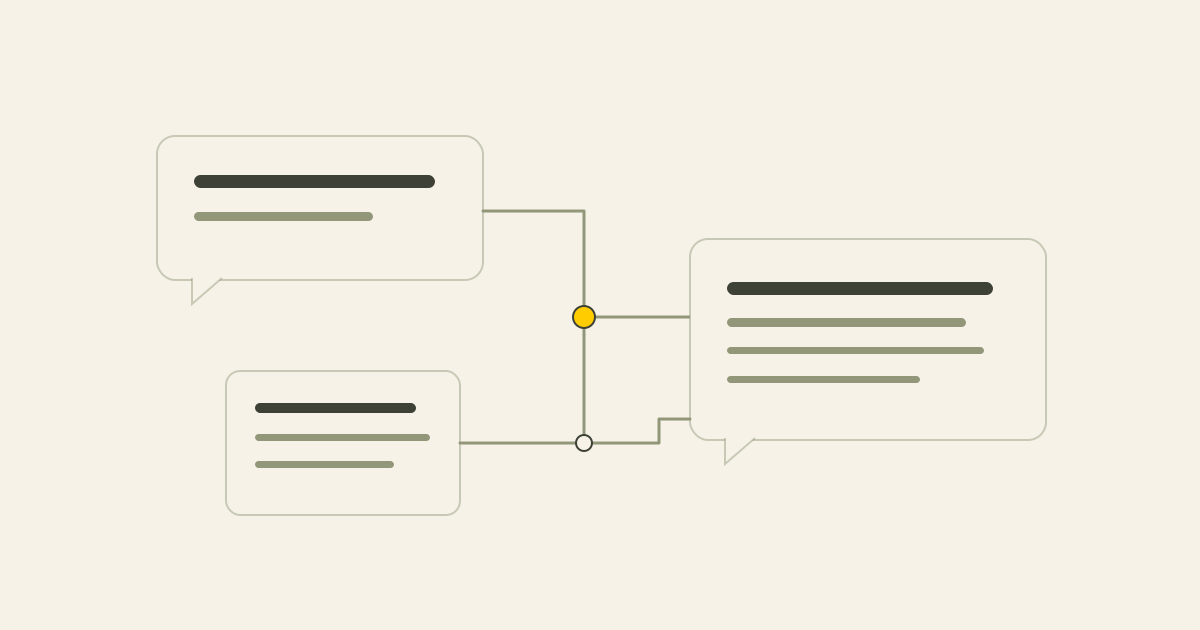
An answer-based search experience may combine information from several sources. Clear service information, location context and consistent contact details give both readers and search tools something concrete to work with.
Write for people first. Explain the business well rather than producing text that only appears designed for an AI system.
What the website should explain
The term describes useful preparation, not a formal standard. Put answers on the page where they belong. A separate FAQ is useful only when it adds something.
For a local practice, trade business or consultant, this means being clear about the offer and actual working area.
- Who is behind the business
- What the business does
- Who the services are for
- Where the business works
- How the services are delivered
- Questions customers commonly ask
- Relevant, supportable expertise
- How to contact the business
- Which information is current and verifiable
Signs that the offer is hard to understand
Important information may be present but scattered, vague or difficult to find. Unclear headings, overlapping services and inconsistent business details make assessment harder.
A small website can still be clear. The aim is an appropriate structure, not a large number of pages.
- Vague descriptions of services
- Important services with no clear explanation
- Missing genuine location or service-area details
- Unanswered practical questions
- Headings that do not describe the subject
- Few relevant internal links
- Scattered contact information
- Little context about who the offer suits or the experience behind it
Practical improvements
Start with useful service explanations, answers to customer questions, meaningful headings and links between related pages. Keep business details consistent.
Structured data can describe appropriate visible information, but markup alone cannot fix vague content or guarantee selection by an AI service.
Review technical access, mobile use and content management too. Information needs to remain usable and current.
- Clear service pages
- Useful answers where readers need them
- Meaningful headings
- Structured data where appropriate
- Accurate local and business information
- Relevant links
- Accessible pages and a usable mobile experience
- Real evidence such as permitted reviews and cases
- Clear contact details
- Agreed content-management features
A new website is not a requirement
These decisions can be included in a new build or redesign, but an existing site may be improved without being replaced.
I first assess the content and technical setup. More about the research and implementation is available under AI search visibility.
When this work may be relevant
It may be useful where people research and compare service providers before contacting them, including consultants, practices and other small service businesses.
Not every business needs a separate GEO strategy immediately. Clear pages, technical access and a useful contact route may be the right first priorities.
How I include it in projects
Where relevant, I review agreed questions, how the business appears and which sources are visible. We then choose the content or technical improvements worth making.
A website package retains its agreed SEO foundation. Extensive GEO research, additional pages, complete new texts and follow-up measurement are separate unless included in the proposal.
Conclusion
Start with accurate information and a clear website. GEO work can build on that with research into AI answers and agreed improvements. It does not provide a certificate or promise of inclusion.
Common questions
Is GEO-ready an official certification?
No. It is a working term for preparing clear, accessible information that may be useful in AI search.
Is it the same as SEO?
They overlap. GEO adds a focus on AI questions, answers and sources while building on the same useful website foundations.
Can you guarantee a ChatGPT recommendation?
No. You can improve information and access, but cannot control whether or how a system mentions the business.
Can this be useful to small businesses?
Potentially, particularly when customers research providers online. Priorities should follow the business and available evidence.
What information matters?
The real offer, audience, working area, approach, relevant experience and contact details.
Is structured data enough?
No. It should accurately describe useful visible content and does not guarantee an AI appearance.
Where should I begin?
Review the service information, technical access, relevant local context, internal links and how content stays current.
Sources
This article uses the following external sources.
Author
Timothy Hartog, SEO specialist and web designer at Hartog Growth.