How to measure AI search visibility
A practical way to measure AI answers without turning a few screenshots into a growth claim.

In this article
Short answer
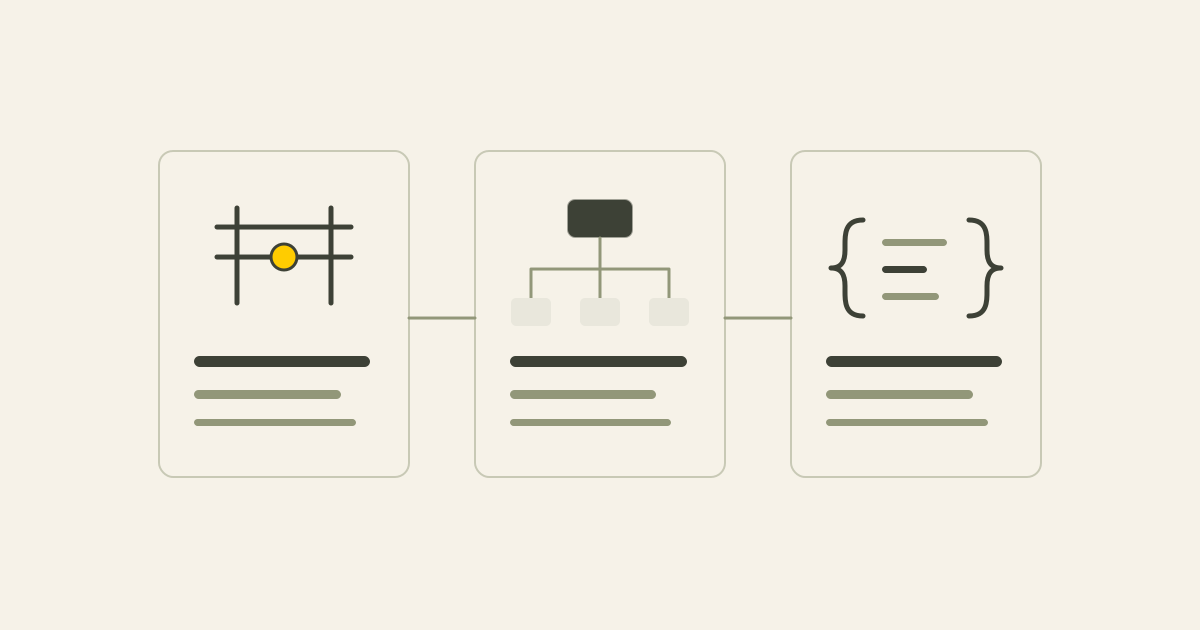
Use a fixed set of customer questions, repeat them under comparable conditions and record mentions, recommendations and cited URLs separately. Combine those observations with recognisable website referrals and enquiries. There is no single score that captures all AI visibility.
Key points
- A mention, a citation, a recommendation and a website visit measure different things.
- Keep the questions, market, platform and test conditions consistent.
- A few repeated answers are a starting point, not statistical certainty.
- Google reports and website analytics answer different questions from manual ChatGPT or Perplexity checks.
One favourable AI answer makes a useful screenshot. It does not show how often your business appears, which questions it answers or whether anyone becomes a customer. A useful baseline starts with clear definitions and a method you can repeat.
Want to understand the improvements behind this measurement first?
Explore AI search visibilityChoose the question before choosing the score
Decide what you need to learn. Does AI describe your business correctly? Does it cite your website for relevant questions? Does it recommend your service when someone is choosing a supplier? Keep brand accuracy tests separate from unbranded discovery tests.
Build a small, representative question set from real customer needs. For example, five questions in each of five groups gives you 25 prompts. That is a practical sample, not a guarantee of statistical significance.
- Definitions and early research.
- Problems and diagnosis.
- How to carry out a task.
- Local needs and service areas.
- Comparisons and a shortlist of providers.
Record the different signals separately
| Signal | What it tells you | Main limitation |
|---|---|---|
| Mention | The business name appears | It may be neutral, inaccurate or negative |
| Recommendation | The answer suggests your business as an option | The fit and strength of that recommendation vary |
| Citation | A link to your website is used as a source | A citation does not prove a visit |
| Referral | A recognisable AI source sends a website visit | Apps, privacy settings and later direct visits can hide the source |
| Enquiry or sale | A recognisable visit leads to business activity | Attribution misses some indirect influence |
| Sentiment and accuracy | How the answer describes your business | Requires a clear, consistent judgement scale |
Measuring AI mentions with Business Hub
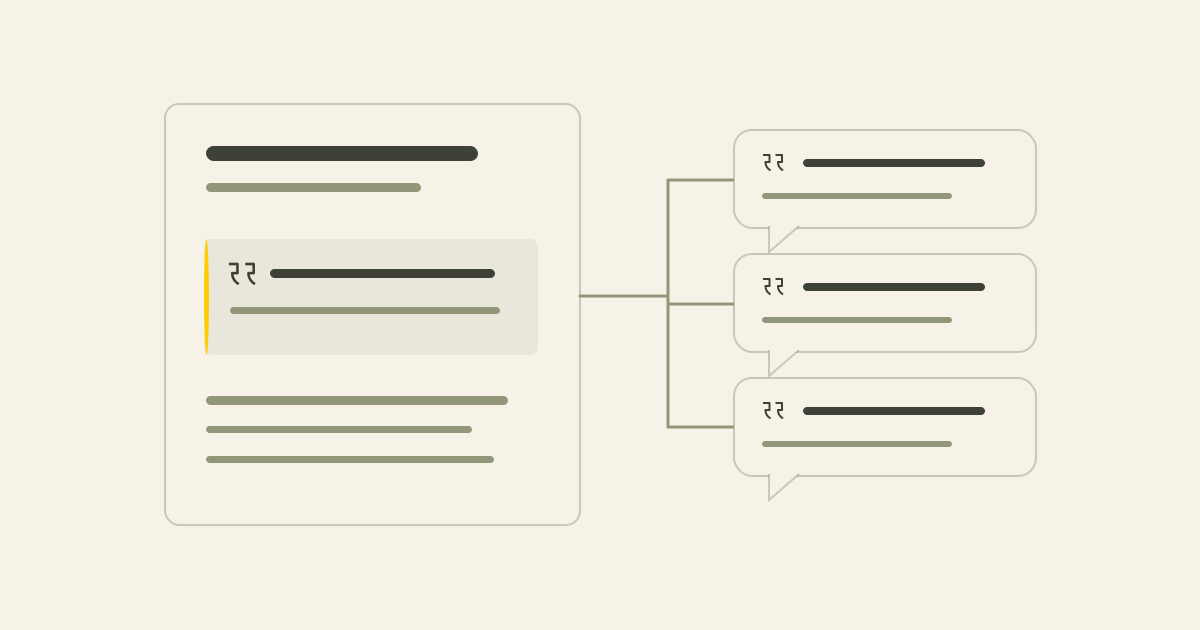
After claim and Persona approval, Business Hub can show available figures for the past 28 days. An online business mention counts when ChatGPT references its website. Naming the business alone does not count.
The figures also include website clicks and aggregate topics, without revealing individual customer questions. A blank field may reflect insufficient data. Keep this source separate from your own prompt checks. The business profile overview explains these insights.
Make the baseline repeatable
Use fresh conversations and save the exact prompt, platform, date, language, country or location context and search mode. Repeat each question at least three times as a practical lower bound. Three answers are still a small sample, and results can change between sessions.
For each answer, record whether the brand was mentioned, recommended or cited, the exact cited URL and a short factual accuracy note. You can track up to five main competitors to keep the sheet manageable. Keep unavailable or failed answers visible rather than quietly removing them.
Freeze the prompt set before measuring. If a new question becomes important, give it a new ID and record when it was added. Changing the questions to get a better result makes the comparison less useful.
Use definitions that another person could apply
A mention rate is the number of answers mentioning your business divided by the valid answers checked. A recommendation rate uses recommendations in the same calculation. A citation rate should specify whether you mean any URL on your domain or a particular page.
Prompt coverage can show how many questions produced at least one positive observation across the repeated checks. Always state the number of questions, repetitions and usable answers next to a percentage. A score from one tool cannot be compared with another unless their definitions and samples match.
Add Google data and website behaviour
Google Search Console has a dedicated view of impressions and pages in Google's generative search features. Google states that these reports rolled out worldwide on 31 August 2026. They cover Google features, including AI Overviews and AI Mode, and supported generative features in Discover. They do not report your visibility in ChatGPT or Perplexity.
Website analytics can show recognisable AI referrals and their landing pages. Keep those visits separate from the number of AI answers observed. A person may read an answer and visit later, or an app may pass no recognisable referrer. Do not add public campaign tags to your own internal links to manufacture attribution.
Use enquiries and revenue where the connection can reasonably be established. Record uncertainty rather than assigning every unexplained direct visit to AI.
What an external monitoring tool can add
A tool can repeat checks and store the results, but its score depends on the prompts, locations, accounts, repeat count and definitions it uses. Ask what is actually sampled before treating an increase as meaningful.
Start with a spreadsheet if the question set is small. Pay for automation when the repeat work, number of markets or reporting needs justify it. A tool's visibility score is a sample of answers, not a complete record of what every customer sees.
Turn the baseline into useful work
Look for recurring problems. An incorrect service area may point to conflicting business details. A competing page may answer the question more clearly or provide stronger evidence. These are hypotheses to investigate, not proof of a ranking factor.
Make a limited set of changes and keep a change log. A 30, 60 and 90 day review can be a useful planning rhythm, but it is not a promised results timeline. Repeat the same questions, compare like with like and consider platform changes before crediting your edits.
If one whole section was rewritten, tracking was changed and the prompt set also changed, you cannot confidently isolate the cause. A modest, well documented finding is more useful than an impressive percentage with no clear basis.
Conclusion
Measure a defined set of questions, keep mentions and citations separate from visits and enquiries, and make the uncertainty visible. A GEO audit can help connect that baseline to practical improvements.
Common questions
How often should I repeat the checks?
Choose a stable interval that fits your workload and rate of change. Monthly checks can be a practical starting point. Repeat the same questions and record major platform or website changes.
Is three repetitions enough?
It is a practical starting point for noticing variation, not proof of a statistically reliable trend.
Can analytics show every AI-influenced enquiry?
No. Some apps hide the referrer, and people can return later through another route. Report recognisable visits and known enquiries alongside those limits.
Do I need a paid tool?
A spreadsheet is enough for a small baseline. Automation becomes useful when the repeated work or reporting needs justify it.
Sources
This article uses the following external sources.
Author
Timothy Hartog, SEO specialist and web designer at Hartog Growth.